Scholarships remain a powerful development tool, but the role they play, and what governments expect from them, is changing.
This shift is visible in Australia and Vietnam’s Aus4Skills partnership, which shows how human resource development programs are evolving to meet broader national priorities.
With more than 7,500 Australia Awards alumni and 160,000 Vietnamese alumni of Australian education now forming a powerful network linking the two countries, scholarships have long been an important feature of the Vietnam-Australia relationship.
Established in 2016, Aus4Skills began as a scholarship‑focused investment supporting Vietnam’s human resource development needs. Over time, it has grown into a 20‑year, whole‑of‑system platform that brings together Australia Awards scholarships, leadership development, policy dialogue, alumni engagement, vocational education and training (VET), and institutional partnerships. Rather than replacing scholarships, these elements now work together to support Vietnam’s ambitions for economic growth, public sector reform and international integration.
The scale of this investment is significant. Across its first 10 years (2016–2025), Aus4Skills invested over AUD86.4 million, which delivered more than 6,100 examples of alumni contributions to Vietnam’s socio‑economic development, strengthened policy and practice in 1,290 organisations, and helped over 200 organisations demonstrate positive changes.
This evolution prompts a broader question for development practitioners about what effective human resource development looks like in a rapidly changing world.
Scholarships remain the foundation
Scholarships continue to be one of the most effective ways to build skills, knowledge and networks. Thousands of Vietnamese professionals have studied in Australia through Australia Awards and other programs, returning with new expertise and lasting connections between the two countries. These individual experiences remain central to the partnership, with 83% of alumni maintaining links with Australia.
Experience shows that skills alone do not automatically translate into broader change. Graduates return to organisations and systems that may either enable or constrain their ability to apply new knowledge and drive change. That is why Aus4Skills increasingly links scholarships to broader development objectives, supporting alumni through institutional partnerships, leadership pathways and system-level reforms that enable lasting impact.

Leadership is becoming a development priority
One of the clearest signs of this shift in Australian development assistance in Vietnam, and regionally, is the growing focus on leadership and governance.
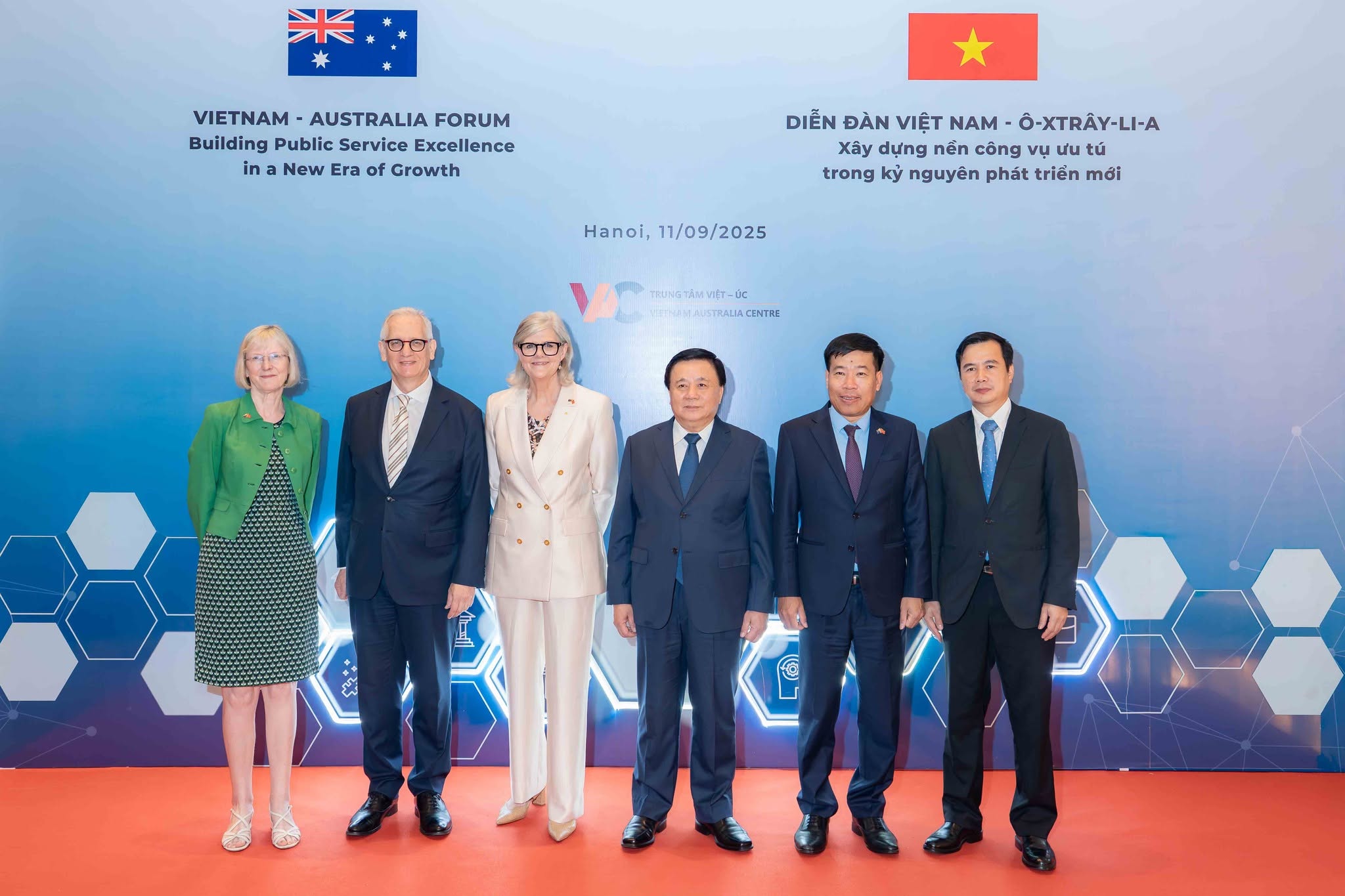
Established in 2022, the Vietnam Australia Centre (VAC) represents a new dimension of the Australia–Vietnam partnership. Designed as a hub for leadership, research and dialogue, the VAC brings together government leaders, policy practitioners and researchers from both countries to explore shared challenges and opportunities. The 2025 review confirmed strong alignment with Vietnam’s development goals to 2035 and 2045, and with Australia’s strategic interests.
The VAC reflects a growing recognition that development outcomes depend not only on technical expertise, but also on the quality of leadership, institutions and decision‑making. As governments navigate complex reforms, from digital transformation to climate adaptation, the ability to lead change is as important as technical capability.
Connecting skills to economic priorities
The evolution of human resource development is also visible in the vocational education and training sector. Across the Indo‑Pacific, governments are seeking stronger alignment between workforce development and economic priorities. Employers want graduates with relevant skills, while policymakers want training systems that can respond to shifting labour market demands.
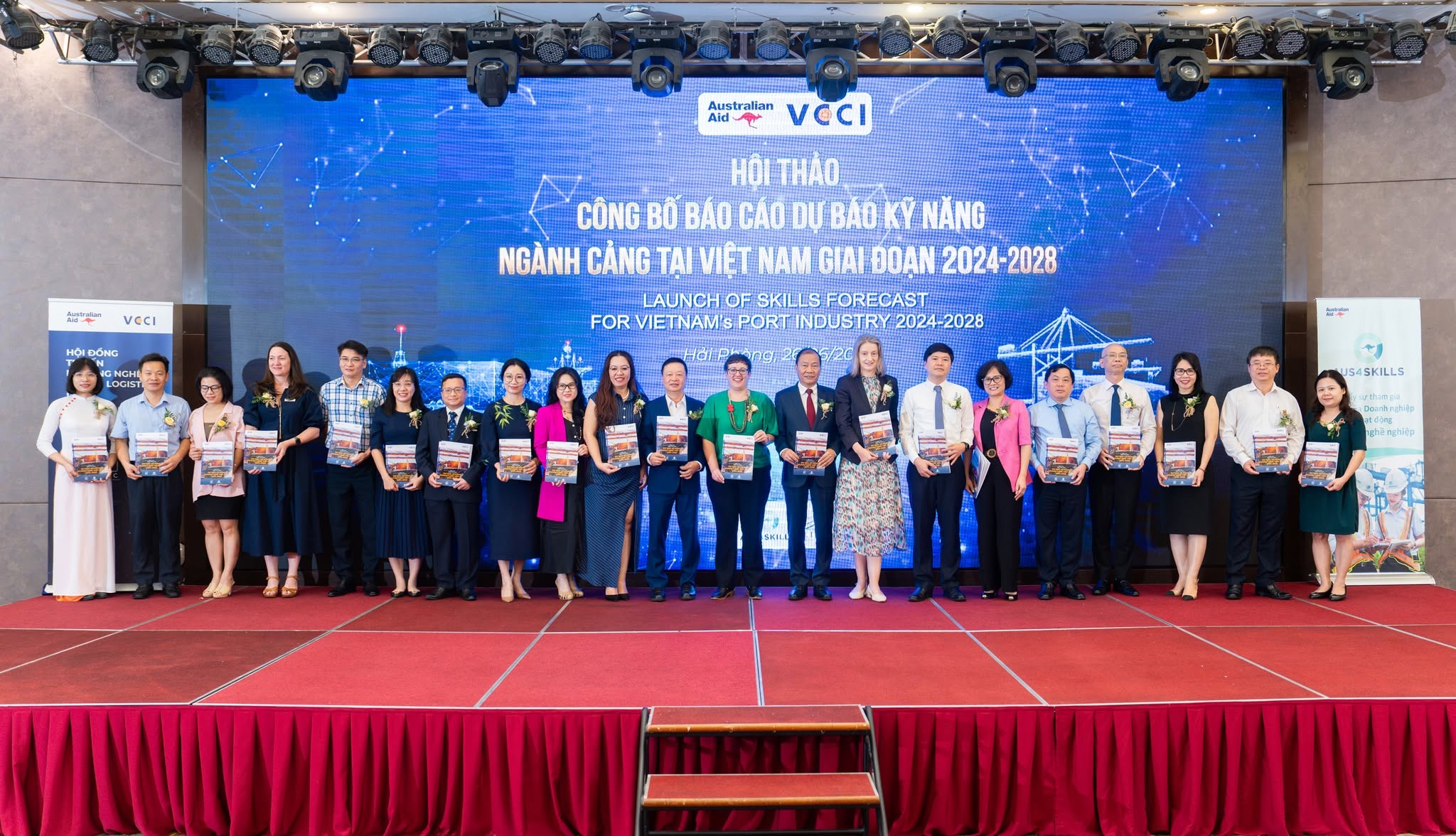
Through Aus4Skills, Australia and Vietnam have worked with vocational education and training (VET) colleges to strengthen competency-based training and assessment (CBTA), initially focusing on the logistics sector. Recognising that a strong VET system also depends on meaningful industry engagement, Aus4Skills worked with the Government of Vietnam to establish the Logistics Industry Reference Council, strengthening collaboration between training providers and employers to help ensure graduates develop the skills industry needs. Since the program commenced, more than 15,000 logistics students have studied at Aus4Skills-supported VET colleges, benefiting from improved training and stronger connections with industry. This systems-focused approach complements traditional scholarship investments by strengthening the links between education, employment and economic development.
Building an ecosystem for change
Perhaps the most significant shift is that human resource development programs are increasingly being designed as ecosystems rather than standalone interventions. Scholarships, leadership programs, research partnerships, alumni networks and workforce development initiatives each play a different role. Together, they create multiple pathways for knowledge, relationships and influence to contribute to broader development outcomes.
This reflects the reality that complex challenges rarely have single solutions. Aus4Skills’ experience shows that sustained impact requires organisational and system change, not just individual capacity. It also shows the importance of long‑term partnerships, co‑design and locally-led delivery; lessons that now shape Phase 3 (2026–2035).
Learning and adapting
The program’s first decade generated clear lessons:
- Relevance depends on continuous adaptation, supported by structured planning and governance.
- Partner engagement is central, but resource‑intensive requiring continuity, co‑creation and alignment with organisational priorities.
- Evidence must drive decisions, prompting a shift to outcomes‑based MEL.
- Equality and inclusion outcomes require institutional change, not just participation targets.
These lessons now underpin Phase 3, which sharpens the program’s strategic focus by strengthening its core platforms (VAC, alumni and VET), embedding localisation, and aligning resources to maximise impact, learning and communications.
Looking ahead
The future of human resource development won’t be defined by a single model. Scholarships will remain a cornerstone of international development partnerships. But the experience of Aus4Skills suggests they are most effective when embedded within broader platforms that connect people, institutions and national priorities.
As Vietnam pursues ambitious economic and social reforms, the challenge is not whether to invest in people, but how to create the conditions that allow those investments to deliver lasting, system‑level impact.
In that sense, the future of human resource development may not be about moving beyond scholarships, but about building stronger platforms around them.